CMS TEAM Model
Punching Above Our Weight: Dr. Brian Evans on Critical Access Hospitals, Rural Care, and AI Governance
Tahoe Forest's CMO and Nevada County's Health Officer on running critical access hospitals in two states, transitions of care, AI governance, and rural finances.
 Ahmed "Eddie" Qureshi
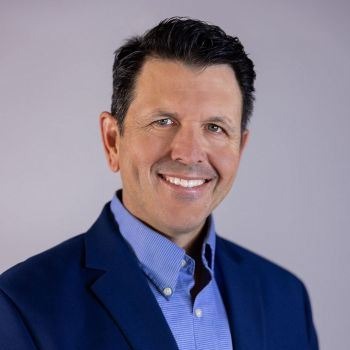 Dr. Brian Evans
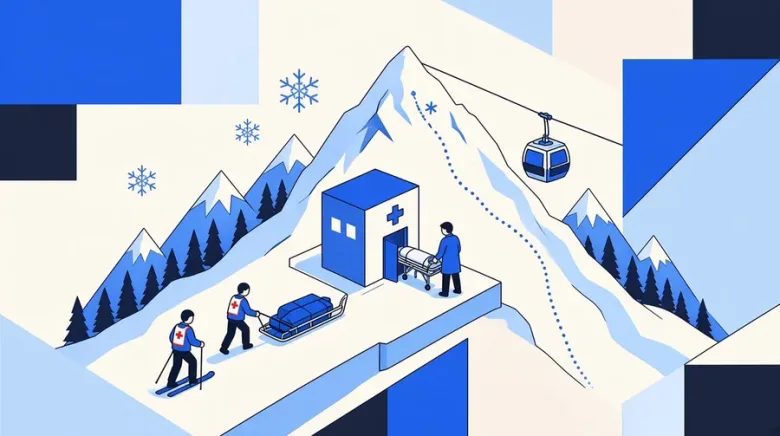
Episode 14 of the Rainfall Health Podcast: Dr. Brian Evans, Chief Medical Officer of Tahoe Forest Health System and Nevada County Health Officer, with Rainfall Health founder and CEO Ahmed “Eddie” Qureshi.
Dr. Brian Evans is a board-certified emergency physician. He joined Tahoe Forest Health System as Chief Medical Officer in December 20221, after serving as CEO and CMO of Sierra Nevada Memorial Hospital and CEO of Mercy Hospital of Folsom. Since July 1, 2026, he has also been Nevada County’s Health Officer.2 He hosts Tahoe Forest’s own podcast, Mountain Health Today.
One district, two states
Tahoe Forest is a health care district with an elected board, not a standalone nonprofit or for-profit system. It runs two critical access hospitals, one in Truckee, California and one in Incline Village, Nevada. Most of its work is outpatient, and it serves parts of three counties.
Working on both sides of the state line means two sets of billing rules, regulations, and licensing. Physicians, PAs, and nurse practitioners may be licensed in one state and not the other, and payer credentialing has to cover both hospitals and their clinics. Evans says the community wanted one district to serve what is really one larger community. “The mission of the organization is based on what the community needs,” he says.
Care on the mountain
Tahoe Forest runs its own urgent care at Palisades, and its nurses staff first aid stations at other ski resorts. Ski patrol brings injured skiers off the mountain, and the health system takes over their care. Many of those patients live in the Bay Area or farther away, so follow-up care has to be coordinated with their home providers.
Community feedback also shaped a mobile clinic, now being built, that will bring primary care to communities facing transportation and financial barriers.
Measuring outpatient quality
At a large system, Evans says, quality reports arrived automatically. Most of Tahoe Forest’s care is outpatient, and no ready-made dashboards existed for it, so the team had to build its own measures. They adopted targets from the Healthy People 2030 goals, including diabetes control, hypertension control, and screening. Pulling the data still takes a lot of manual work, and he hopes AI will make that easier within a year or two.
Transitions of care at 6,000 feet
Tahoe Forest sits at about 6,000 feet. Reno is downhill to the east, and reaching Sacramento means crossing the Sierra Nevada. Blizzards make an already remote setting harder to reach. Tahoe Forest is a Level III trauma center and a stroke receiving center with a full-time hospitalist program. “We do, I would say, punch above our weight in terms of specialty care that we deliver,” Evans says.
The hospital still can’t do everything, so it relies on partners in Reno and Sacramento. UC Davis helps manage its cancer center and provides telemedicine ICU and pediatrics support. It also partners with several rural community hospitals on peer review, and with search and rescue and EMS teams across the mountains.
Competition and aging in place
Because the area is hard for other systems to enter, Tahoe Forest has provided most care in North Lake Tahoe for many years. Evans sees new competition from telemedicine. His advice is to do what you do well and partner for the rest. The district now has geriatric-certified emergency departments in Truckee and Incline Village, which helps a growing population of older residents age in place.
Vetting AI as a smaller system
Vendors call and email around the clock, and Epic now ships updates more often, many with new AI tools. “I don’t know anybody that feels that they can comfortably evaluate all these different offerings,” Evans says.
Tahoe Forest set up a physician-led clinical innovation committee to review new technology. A patient sits on the committee and asks how each change will affect patients. A new AI governance council within that committee works out how AI tools are deployed, how consent works, how the tools are tested, and what unexpected consequences to watch for. “I think every system is gonna need one, frankly,” he says.
Seasonal surges and staffing
Patient volumes peak in winter and summer and drop in spring and fall. Storms can close the freeway. Many employees live in Reno, where housing costs less, so the hospital keeps on-campus housing for staff who stay overnight. Labor and delivery is one example: it averages just over one birth a day but has to be ready for a busy day at any time.
Critical access finances
Evans says critical access hospitals have some advantages, including cost-based payment from Medicare. Tahoe Forest also has a fairly large share of commercially insured patients. Even so, he expects H.R. 1, the 2025 federal budget law,3 to increase unreimbursed care and reduce the number of people covered through the insurance exchange and through Medi-Cal and Medicaid. Tahoe Forest has added staff for financial navigation and enrollment.
Many rural systems run at an operating margin of zero or less and face the risk of closure. Evans says Tahoe Forest is not in that position today, but it still has to plan carefully. Recruiting is hard where housing is expensive and winters are long, and one of the first interview questions is “what kind of tires do you have on your car?”
What gives him optimism
Evans is optimistic that AI is improving work-life balance for clinicians, who have spent years charting at home after their shifts. He points to OpenEvidence, UpToDate, and other AI tools, and says AI can now review all of a patient’s records and compare them with similar patients. His worries include financial pressure, an aging population, and health misinformation, which he deals with as both a CMO and a health officer. Overall, he says, “it’s a fascinating time to be a physician.”
Check out his podcast
Dr. Evans hosts Tahoe Forest Health System’s Mountain Health Today. In this episode, he talks with Dr. Ellen Cooper, Medical Director of the Trauma Program, about how trauma care works in the mountains.
More episodes of Mountain Health TodayMore to explore
Download the eBook